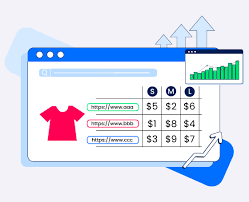
It can be so frustrating when you see something you want, but the price is just a little too high. You think, “Maybe it will go on sale soon,” but then you forget about it. Or maybe you buy it, and then a week later, you see it for way less.
That feeling stinks!
I get it. We all want to get the most for our money. It’s about being smart with our budget.
This is why learning how to track product prices is such a game-changer. It takes the guesswork out of shopping. You don’t have to constantly check websites.
In this guide, we’ll walk through how to keep an eye on prices. We’ll cover simple ways and some more advanced tricks. You’ll learn how to save money without spending all your free time hunting for deals.
Let’s make smart shopping easy.
Effectively tracking product prices involves using online tools and smart shopping habits. This helps you find sales, compare offers, and buy items when they are cheapest, ensuring you get the best value for your money without constant manual checking.
What is Product Price Tracking?
Product price tracking is simply keeping an eye on how the cost of an item changes over time. Think of it like watching a stock price, but for things you want to buy. You note down what you see.
You see if it goes up or down.
It’s about noticing patterns. Maybe a certain item always goes on sale around holidays. Or perhaps a new model comes out, and the old one gets cheaper.
Knowing these things helps you decide when to buy. It stops you from buying something too soon.
This is different from just looking for a coupon. It’s a longer-term strategy. You are looking at the overall price movement.
This way, you can snag the best possible deal. It means you might wait a bit longer. But the savings can be big.
Why do prices change? Lots of reasons! Stores want to sell things.
They use sales to clear out old stock. New products arrive, so old ones need to go. Some items might be seasonal.
The weather or the time of year can matter.
Sometimes, it’s about competition. If two stores sell the same thing, they might lower prices to get you to shop with them. Demand plays a big role too.
If everyone wants something, the price might go up. If nobody wants it, the price might drop.
Understanding these forces helps you see why tracking works. You are using this knowledge to your advantage. You’re not just hoping for a sale.
You’re predicting one. Or at least, you’re ready for it when it happens. This is the core idea.
My Own Price Tracking Oops Moment
I remember one time, I was so excited about a new smart speaker. It was pretty pricey, but it had all these cool features. I really wanted it right away.
So, I bought it from my favorite online store. I paid full price.
I used it for about three weeks. It was okay. Then, one evening, I was just browsing online.
I saw the same speaker on another site. It was on a flash sale. The price was almost 30% less than what I paid.
My heart sank.
I felt so silly and a bit angry. Why didn’t I wait? I could have saved a good chunk of money.
It was a clear lesson. My excitement had gotten the better of me. I didn’t use any smart strategies.
I just bought it.
That’s when I started looking into ways to track prices. I figured there had to be a better way than just hoping for a miracle sale or kicking myself later. I wanted to be more in control of my shopping.
I wanted to feel smart about my purchases, not regretful.
It took some experimenting. I tried different apps and browser extensions. Some worked better than others.
But the goal was always the same: get notified when a price dropped. It changed how I shopped. Now, I rarely pay full price for things I really want.
This experience taught me that patience is key. But it also showed me that technology can help. You don’t have to rely on luck.
You can use tools to do the hard work for you. It’s about being strategic.
Price Tracking: The Basics
What it is: Watching item costs over time.
Why do it: Save money, avoid overpaying.
How it works: Using tools or manual checks to see price changes.
Goal: Buy at the lowest point.
Where to Track Product Prices
There are many places to keep an eye on prices. The best spot depends on what you’re buying and where you usually shop. Let’s break down the most common and useful options.
Most major online retailers offer some form of price tracking. Amazon, for example, is famous for its deals. They have tools like “CamelCamelCamel” that show price history.
This helps you see if a current price is actually low or high.
Other big stores like Walmart, Target, and Best Buy often have their own apps. These apps can sometimes notify you about sales. They might also have features to save items to a wishlist.
Then you can check the wishlist for price drops.
Beyond the stores themselves, there are dedicated price tracking websites and apps. These are built specifically for this purpose. They work across many different stores.
You just add the product you want. The service then monitors it for you.
Some of the most popular ones include Honey, Rakuten, and Google Shopping. Honey is a browser extension. It automatically finds coupons and also tracks prices.
Rakuten gives you cashback. It also has deal alerts. Google Shopping lets you compare prices from many sellers at once.
Don’t forget browser extensions. These are small programs you add to your web browser. When you’re on a product page, they pop up.
They might show you price history. They can also compare prices on other sites. They make tracking super easy.
Think about what works best for you. If you shop at one or two main stores, their own tools might be enough. If you buy from many different places, a universal tracker is better.
The key is to pick a method and stick with it.
Common Price Tracking Tools
- Amazon Price Trackers (e.g., CamelCamelCamel)
- Retailer Apps (Walmart, Target, Best Buy)
- Price Comparison Sites (Google Shopping)
- Browser Extensions (Honey, Rakuten)
- Dedicated Apps (Specific deal finder apps)
How to Use Price Tracking Tools Effectively
Just having a tool isn’t enough. You need to use it smartly. This means knowing what to track and how to react.
Let’s talk about making the most of these tools.
First, be specific. If you’re tracking a TV, know the exact model number. Prices can vary a lot between similar models.
Also, consider the color or size. These details can affect the price.
Second, set realistic price goals. Don’t expect a $1000 TV to drop to $100. Look at the price history.
What’s a reasonable sale price? Aim for that. This stops you from waiting forever for an impossible deal.
Third, track items you actually want and need. Don’t just track things because they might go on sale. This can lead to impulse buys of things you don’t need, just because they are cheaper.
Focus on your wishlist.
Fourth, pay attention to sales events. Black Friday, Cyber Monday, Prime Day – these are big shopping days. Prices often drop dramatically then.
Price trackers are invaluable during these times. They help you spot the real deals.
Fifth, understand different types of sales. Is it a daily deal? A clearance sale?
A seasonal discount? Some sales are better than others. A clearance sale might mean the item is being discontinued.
A holiday sale is usually a temporary discount.
Sixth, compare prices across different retailers. Sometimes, the same item is cheaper elsewhere. Price tracking tools often help with this.
They might show you if another store has a better price right now. This is where comparison shopping really shines.
Finally, be patient. This is the hardest part for many. Prices don’t always drop when you want them to.
Sometimes you might need to wait weeks or months. But the savings can be worth it. Remember my smart speaker story?
Waiting could have saved me a lot.
Smart Price Tracking Habits
- Be Specific: Know the exact product model.
- Set Goals: Aim for realistic sale prices.
- Track Needs: Focus on items you truly want.
- Watch Events: Monitor sales like Black Friday.
- Compare Sellers: Check prices at multiple stores.
- Be Patient: Wait for the right price.
When Prices Change: Common Reasons
Prices are not set in stone. They move around all the time. This happens for many reasons that are good to know.
It helps you understand the market better.
Seasonal Demand: Think about swimsuits. They are usually cheaper in the fall. They are most expensive in the summer.
The same goes for winter coats. Prices go up when the cold weather starts. They drop when spring arrives.
New Model Releases: When a new smartphone comes out, the older models often get cheaper. The same is true for TVs, laptops, and cars. Stores need to sell the older versions to make room for the new ones.
Clearance and Stock Removal: Stores have to get rid of old inventory. This could be because it’s out of season, or they ordered too much. They put these items on sale at a deep discount.
This is great for finding bargains.
Promotions and Sales Events: Retailers use sales to attract shoppers. Think of Black Friday or holiday sales. These are planned events to boost sales volume.
Prices are deliberately lowered for a short time.
Competitor Pricing: Stores watch each other. If one store lowers a price, others might match it. This competition can lead to lower prices for you.
It’s a good sign for shoppers.
Economic Factors: Sometimes, bigger things affect prices. If there’s a slowdown in the economy, people might spend less. Stores might lower prices to encourage buying.
Or, if costs for materials go up, prices might rise.
Bundling and Promotions: You might see a “buy one, get one free” offer. Or a discount when you buy multiple items. These are special deals that lower the effective price per item.
Understanding these reasons helps you predict when prices might drop. It makes price tracking more than just a passive activity. You can actively look for deals based on these factors.
Understanding Price Fluctuations
Timing is Key: Buy seasonal items off-season.
Upgrade Cycle: Older models become cheaper.
Store Strategy: Clearance sales mean big savings.
Event Shopping: Major sales events offer deep discounts.
Market Forces: Competition and demand affect prices.
The Human Element: Trust and Experience
It’s easy to get lost in the technology of price tracking. But there’s a real human side to it. It’s about trust and personal experience.
When you use a price tracking tool, you’re trusting it. You trust that it’s showing you accurate data. You trust that it will notify you correctly.
This trust comes from using reliable tools. It also comes from seeing them work for you over time.
My own experience taught me this. When I first started, I used a few different apps. Some were glitchy.
They would miss sales or send alerts late. This made me wary. I learned to stick with services that were consistent.
There’s also the experience of the store. Some stores are known for frequent sales. Others rarely offer discounts.
Knowing this helps you decide if price tracking is even worth it for certain retailers. For example, some boutique shops might not have big price swings.
Customer reviews of products can also offer clues. If many people mention waiting for a sale, it’s a good sign. If they say they bought it and it immediately went on sale, that’s a common pain point price trackers solve.
Think about it like this: you’re building a relationship with your shopping tools. The more you use them, the better you understand them. They become reliable assistants.
They help you achieve your goal of saving money.
This feeling of control is powerful. Instead of feeling like a victim of price hikes, you feel in charge. You’re making informed decisions.
You’re using your knowledge to your benefit. That’s the real win of effective price tracking. It’s more than just numbers; it’s about empowering yourself as a shopper.
Tracking Prices for Specific Product Types
Not all products are tracked the same way. Some items fluctuate more than others. Here’s a look at how to approach different categories.
Category-Specific Tracking Tips
Electronics: Prices change fast. New models come out often. Track specific model numbers.
Look for sales around holidays. Prime Day and Black Friday are huge for electronics.
Clothing and Apparel: Follow seasonal trends. Look for end-of-season sales. Retailers often discount heavily to clear inventory.
Sign up for email lists from your favorite brands for sale alerts.
Home Goods: These can be big purchases. Price history is very useful. Appliances often go on sale during holiday weekends.
Furniture might have seasonal markdowns. Track large items over months if needed.
Toys and Games: Prices can spike before holidays like Christmas. Track early if you know what you want. Also, look for post-holiday clearance.
Sometimes, popular toys go on sale when a new version is released.
Groceries/Everyday Items: This is harder for daily items. Focus on bulk buys during sales. Use apps that scan flyers or offer digital coupons.
Track prices for items you buy weekly if you can.
When is a Deal Not a Deal?
Sometimes, a price looks low, but it’s not really a great deal. It’s important to know the difference. This is where digging a bit deeper helps.
Fake Scarcity: A site might say “Only 2 left at this price!” This is often a tactic to rush you. They might have plenty more in stock. Price trackers can show if the price has been this low before.
Lower Quality Versions: You might see a popular item at a low price. But it could be a slightly different, lower-quality version. Maybe it has fewer features or is made of cheaper materials.
Always check the exact product details.
Hidden Costs: Sometimes the price looks good. But then shipping costs are very high. Or there are restocking fees if you need to return it.
Always factor in the total cost.
Short-Term Hype Sales: A store might run a “flash sale” for a few hours. The discount might be good, but is it the best it can be? If you have time, a price tracker might show that the item dips lower during bigger sale events.
Bundles That Don’t Fit: You might see a “bundle” deal where you get a few items. But maybe you only need one or two of them. You end up paying for things you won’t use.
Buying items separately might be cheaper overall.
Price tracking helps avoid these traps. By looking at price history and comparing offers, you can see through the marketing. You can tell if a price is genuinely good or just made to look that way.
Spotting Bad Deals
- High Shipping Fees: Adds to the total cost.
- Lower Quality: Check product specs carefully.
- Fake Urgency: “Limited time” can be marketing.
- Unwanted Bundles: Pay only for what you need.
- Short Sales: Compare with larger sale events.
When to Worry About Product Prices
Usually, price tracking is about saving money. But there are times when price changes can signal a problem. These are less common, but good to be aware of.
Sudden, Extreme Price Hikes: If an everyday item suddenly becomes much more expensive without a clear reason (like a natural disaster affecting supply), it could be price gouging. This is especially true for essential goods.
Consistent Price Increases on Necessities: If the cost of basic food or medicine keeps climbing rapidly over months without explanation, it might signal larger economic issues or market manipulation.
Price Drops on Damaged or Outdated Goods: A very low price might mean the item is broken, refurbished without clear disclosure, or so old it’s unusable. Always check the condition.
Inconsistent Pricing Online vs. In-Store: If you see a big price difference between a retailer’s website and their physical store for the same item, it can be confusing. Sometimes it’s intentional (online-only deals), but other times it might suggest a pricing error or strategy you need to understand.
Lack of Sales History for Normally Discounted Items: If a product type that always goes on sale never seems to drop in price, it might mean the retailer isn’t planning on discounting it soon. This could be a sign to look elsewhere if you’re on a budget.
For most shoppers, these “worry” scenarios are rare. The main goal of price tracking is financial gain. But keeping an eye out for unusual patterns can protect you from scams or unexpected difficulties.
Quick Tips for Smarter Shopping
Here are some simple, quick things you can do to shop smarter. These work well with price tracking.
- Use a Wishlist: Put items you want on a wishlist. Then you can easily add them to a price tracker later.
- Set Price Alerts: Don’t rely on checking yourself. Let the tools notify you.
- Look for Price Match Guarantees: Some stores will match a competitor’s lower price. Know the store’s policy.
- Consider Refurbished Items: Often, you can get a great deal on a refurbished product. It’s usually tested and comes with a warranty.
- Buy in Bulk Wisely: If you use a lot of something, buying a larger size or multiple items can save money per unit. But only if you’ll use it all before it expires or goes bad.
- Check Store Brands: Generic or store brands are often much cheaper than name brands. They are usually made by the same manufacturers.
- Read Reviews: Before you buy, especially if it’s a new item or a big purchase, read reviews from other buyers.
Frequently Asked Questions about Tracking Prices
How often should I check prices?
With price tracking tools, you don’t need to check often. The tools do it for you. They send alerts when prices change.
For items you really want, check the price history weekly or bi-weekly. For everyday items, rely on automated alerts.
Are price tracking apps safe to use?
Most popular price tracking apps and browser extensions are safe. They use standard security measures. Always download from official app stores or the extension’s official website.
Read reviews to see if others have had security issues.
Can I track prices for local stores, not just online?
It’s harder to track local store prices automatically. Some store apps might offer deals. For general comparison, look at Google Shopping or similar services.
These can show prices from various retailers, including those with physical stores if they sell online.
What is the best time of year to buy electronics?
The best times for electronics deals are usually around major sales events like Black Friday and Cyber Monday. Also, look for deals around July (Amazon Prime Day) and late winter/early spring as new models are released.
Do refurbished products come with a warranty?
Yes, most reputable sellers offer a warranty on refurbished products. This is important for your protection. Make sure to check the warranty length and terms before buying.
It shows the seller trusts the product.
Can I track prices for digital goods like software or games?
Yes, you can track prices for digital goods too. Many game stores (like Steam) have wishlists that show when prices drop. For software, dedicated tech deal sites or price trackers that cover software might help.
Look for sales around big gaming or software release cycles.
What’s the difference between price tracking and price comparison?
Price tracking looks at how a single item’s price changes over time. Price comparison looks at the current price of an item across different sellers at one moment. Both are useful for saving money.
You can use them together.
Putting It All Together: Your Smart Shopping Journey
Learning to track product prices is a journey. It starts with a simple idea: don’t overpay. You’ve learned about the tools available.
You’ve seen how to use them effectively. You understand why prices change.
Remember, it’s not about being cheap. It’s about being smart. It’s about valuing your money.
By using price tracking, you gain control. You can make confident buying decisions. This skill will save you money for years to come.
Happy shopping!